Ecosphere Environmental Services LLC Logo

Blog

image
Ecosphere Environmental Services LLC

Beyond the Damp: How the Western Washington Climate Breeds Hidden Mold

Living in Western Washington means embracing a beautiful, evergreen landscape, but it also means coexisting with a relentless amount of moisture. While local property owners are well-acquainted with rainy days and foggy mornings, that same ambient dampness creates a less welcome phenomenon: the perfect breeding ground for hidden mold.

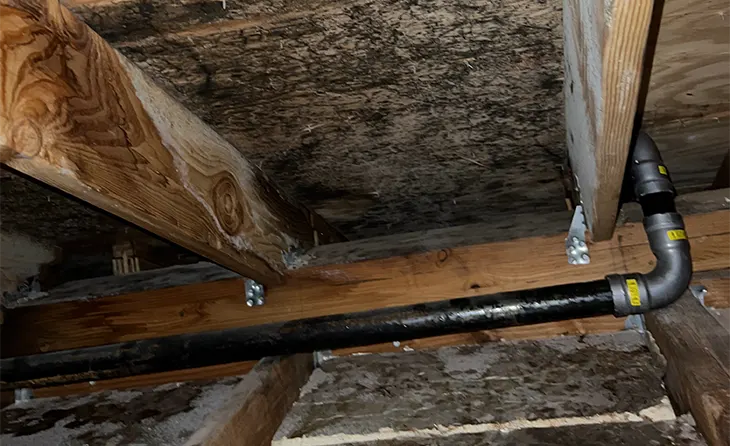
Unlike the obvious mildew that forms on a shower curtain, hidden mold thrives completely out of sight—silently colonizing wall cavities, attics, floor joists, and crawlspaces. Left unchecked, it can slowly compromise your property's structural integrity and seriously degrade your indoor air quality.

Understanding the unique relationship between the Pacific Northwest climate and residential construction is the first step in protecting your investment and your health.


Why the Puget Sound Climate is a Paradise for Mold

Mold spores exist naturally everywhere in the outdoor environment, but they require three specific components to colonize inside a building: a food source (organic materials like wood, drywall paper, or carpet backing), oxygen, and moisture.

In the communities surrounding Seattle and Tacoma, the first two elements are always present inside our structures. The third element—moisture—is consistently supplied by our regional environment in a few distinct ways:

  • Sustained Atmospheric Humidity: Western Washington rarely experiences the scorching, drying summer heat found in other parts of the country. Instead, our extended autumn-to-spring shoulder seasons maintain a consistently high outdoor relative humidity, often hovering above 70% to 80%. This makes it incredibly difficult for damp building materials to dry out naturally.
  • The Saturated Soil Profile: Months of steady rainfall saturate the earth around concrete foundations and crawlspaces. This constant groundwater presence exerts hydrostatic pressure against subterranean walls, forcing water vapor upward through concrete slabs and dirt crawlspace floors.
  • The Indoor-Outdoor Temperature Differential: During chilly winter months, we crank up the heat inside our properties. When that warm, humid indoor air migrates toward the cold exterior edges of the building (like window panes, uninsulated corners, or roof sheathing), it hits its dew point and instantly transforms into liquid condensation.

3 Critical Areas Where Mold Hides in PNW Buildings

Because the local climate keeps the exterior envelope of our buildings cold and damp for most of the year, specific architectural pressure points are highly susceptible to hidden mold growth.

1. The Attic: Blocked Ventilation and Roof Sheathing

Attic mold is incredibly common across King, Snohomish, and Pierce counties, yet most property owners rarely look up there to notice it.

During the winter, warm air from your living space naturally rises into the attic. If your roof's soffit vents are blocked by fiberglass insulation, or if your ridge vents are failing, that warm, moisture-laden air gets trapped. When it hits the freezing plywood or OSB roof sheathing directly exposed to the cold outdoor rain, it condenses into water droplets. Over a single season, this creates a widespread layer of dark, fuzzy mold across the underside of your roof.

2. The Crawlspace: Torn Vapor Barriers and Subfloor Rot

A significant percentage of Western Washington homes are built on raised crawlspace foundations rather than basements. If your crawlspace has a torn, missing, or improperly sealed plastic vapor barrier, moisture from the damp earth evaporates directly into the air beneath your home.

Due to a natural physics phenomenon known as the "stack effect," air from the lowest point of a building is drawn upward into the warmer living areas above. As this humid crawlspace air rises, it passes through fiberglass floor insulation, trapping moisture directly against your wooden subfloor and support joists—leading to hidden wood rot and mold.

3. Behind Drywall: Slow exterior leaks and Window Condensation

Our driving, wind-blown coastal rains can find even the smallest vulnerability in window flashing, siding joints, or roof valleys. Because modern buildings are wrapped tightly to prevent drafts, water that breaches the exterior barrier gets trapped inside the wall cavity. It can take months for a slow leak to visually discolor the front of your drywall, meaning a massive mold colony could be growing on the insulation and framing inside the wall before you ever see a spot.

Subtle Warning Signs You Shouldn't Ignore

Because you can't always visually inspect behind your walls or beneath your floors, you have to rely on secondary indicators to catch hidden mold early:

  • 1. The Telltale Musty Scent: If a specific room, closet, or lower level smells perpetually earthy, stale, or "musty"—even after thorough cleaning—mold is actively off-gassing somewhere nearby.
  • 2. Cosmetic Inconsistencies: Look for faint, yellowish bubbling along baseboards, peeling wallpaper seams, or drywall panels that feel slightly soft or pliable when lightly pressed.
  • 3. Persistent Allergy-Like Symptoms: If your family experiences chronic sinus congestion, unexplained coughing, watery eyes, or frequent headaches that miraculously improve when you leave the house for work or vacation, your indoor air quality is likely compromised by hidden airborne spores.

The Danger of DIY Investigation

When property owners suspect hidden mold, their first instinct is often to pull up carpets or rip open sections of drywall to inspect the damage. This is a dangerous mistake.

Disturbing an established, hidden mold colony without proper containment walls and commercial negative-pressure air scrubbers will instantaneously release millions of concentrated spores directly into your breathing zone. This localized contamination can easily spread through your HVAC system, turning a localized issue into a building-wide environmental hazard.

If your property is showing signs of moisture distress, the safest approach is to utilize certified environmental testing professionals who can deploy specialized moisture meters, thermal imaging cameras, and air cassette sampling to pinpoint the issue safely and scientifically.

Clear the Air Today

If you smell something musty or notice signs of hidden moisture, act before the damage spreads. Contact Ecosphere Environmental Services LLC for expert mold inspections, air quality testing, and structural remediation designed specifically for the unique challenges of our PNW climate.

  • Serving: Seattle, Tacoma, Renton, Bellevue, Lynnwood, and surrounding areas.
  • Call Today: (206) 966-1700
Call Us
Get A Quote
Write Us